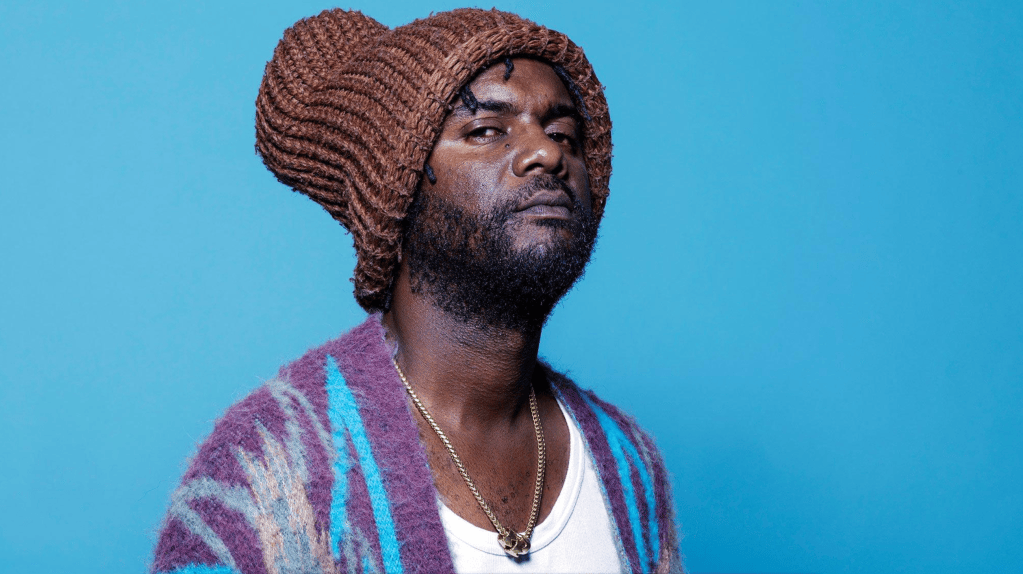
Gary Clark Jr. never ceases to surprise with his albums, from humbling and personal treks through Blues Rock in his first two albums to becoming more aware of the growing hostility due to racism, as evident with his politically charged “This Land” on 2019’s This Land. However, that hasn’t pushed aside the kind of work he’s been able to balance, between conceptual biographies to emotionally potent reflections on life and how his successes have changed the positive goals he aims for, like on “Pearl Cadillac” or spearheading sheer confidence in “Ain’t Messin’ Around” off Blak & Blu. Beneath the lyrical prowess, Clark Jr. does more than just deliver the blues; he continues to grow the genre from rudimentary practices to bring fresh originality to the fray. JPEG Raw is a slight detachment from the rock-n-roll angle beneath the centrifuge of Clark Jr.’s mind. Instead, it incorporates more than expected as he aims to expand beyond his zone, opening his door to the musical universe to weave a more raw aesthetic. Unfortunately, JPEG Raw isn’t perfect; that’s a given, but it encompasses will and is enough to take a new journey with him.
Many of us know the blues stem from an emotional core that envelopes one mental process, allowing them to, as they say, sing their heart out. The slow-tempo instrumentals bolster that sentiment as a complementing safety net. Gary Clark Jr. has been doing and continues to do on JPEG Raw, weaving these intricate layers of pure contrasts that end up working. It isn’t the first time. Gary Clark Jr. has been subverting sound by leaving the blues untouched with the more emotionally personable writing as the production brings more of an anthemic presence that bolsters what wants to get said, like the hardened strength of the guitar on the opening song, “Matkub,” which is Arabic for “It Is Written.” Like Nas and It Was Written, Gary Clark Jr. is delivering his scriptures that speak about relationships or compositing questions about what he sees in the world, as he does so with “What About The Children” and “Hearts In Retrograde;” However, unlike It Was Written, much of the JPEG Raw is the former, but it at least creates unique compositions with them, like the back and forth with Valerie June on “Don’t Start.”
Though JPEG Raw mildly leans towards one central idea, there are other things that Gary Clark Jr. focuses on. He composites questions as he reflects on his person with the remarkable “This Is Who We Are.” Or finding reason with life on “Hyperwave,” what makes the album work and a pleasant surprise is Clark Jr. shooting toward different sonic structures while doing all this, switching how he delivers his vocals like the rap flow in the second verse of the eponymous song. “Don’t Start” is a two-person vehicle that expresses contempt through violence as Clark Jr. looks to come at someone who slighted his partner; “Funk Witch U” is this fun and groovy funk song that musically breaks from the barriers set by him. Unfortunately, the writing doesn’t always shine because of the directional mixing that can leave some of them lost in the production. It’s tuned to reflect the real, where you’d get more polished vocals; here, you’re getting more of the emotional core from its delivery, so with a track as chaotic as “This Is Who We Are” and “Triumph,” where some vocals can get drowned by solid production. There is no equilibrium there, unlike “Alone Together,” where the overt and loud but welcomed Jazz notes don’t shroud the vocals, similar to “Hyperwave.”
Fortunately, a defining highlight that stayed with me after many listens is that Gary Clark Jr. doesn’t pigeonhole himself to a simple construct like past albums’ Hard Rock/Blues cadences. We hear Clark Jr. trenching into more Jazz and Funk notes, giving the music a refined sense of direction that will take you back into a realm of consistently solid music, like with the funkadelic “Funk Witch U,” featuring George Clinton in his bag. The album maneuvers smoothly through songs via lyrics and production, whether it’s inflections in more of a ballad-like composition or playing with synths on the instrumentations, like with the calming but hardened and focused “Habits,” where its shortened verses come as spurts like an addiction to a habit could be. “Alone Together” is this nuanced lounge jazz composition that leaves room for sobering choir backing vocals. “Don’t Start” beautifully infuses Jazz and Rock with eclectic bass-synth grooves, while “Hearts In Retrograde” adds this electronic edge to its rock core, enveloping all the strings and pianos with an electric angle in their input. What Clark Jr. does with his session instrumentalist and co-producer Jacob Sciba creates this new worldview foundation on music that pushes Clark Jr. to slowly break down barriers, as he did so going full political with “This Land.”
JPEG Raw is as good as Gary Clark Jr.’s last album, even though it treads in different directions. It isn’t as emphatic or ambitious as This Land, which doesn’t consistently take to the Hard Rock aesthetic, incorporating more of a bridge between the electrifying strings and the emotional depth of tempos resonant in blues rock. It becomes more of a preference, as both albums offer something unique, though they contrast each other, making the former stand out more. I love that Clark Jr. opens the doors for collaborations and duets, making it more of a pleasant surprise, especially when you hear him performing alongside legends George Clinton and Stevie Wonder. I can’t recommend this album enough; it’s a flurry of consistent production despite its issues on the purposeful mixing front.


Leave a Reply