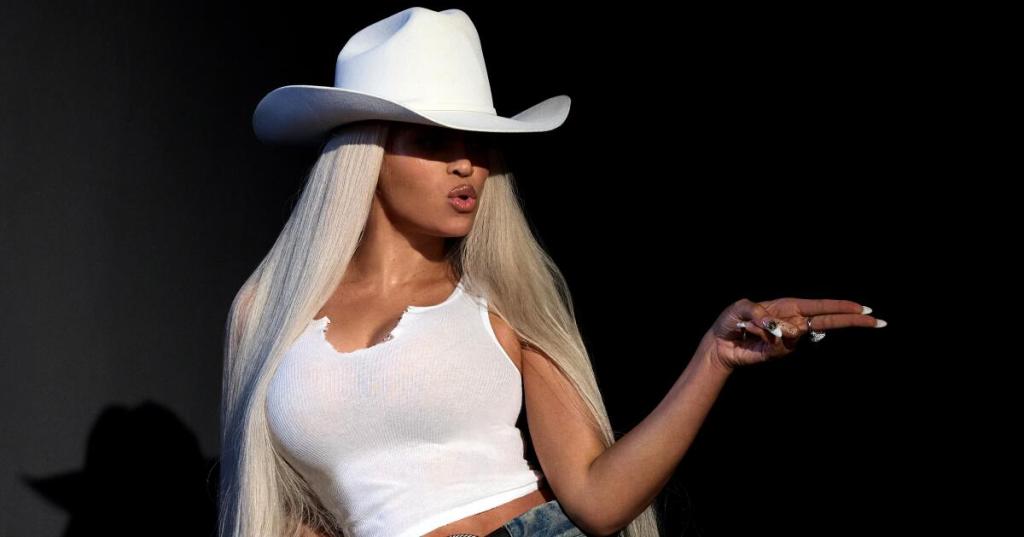
When Beyonce released Cowboy Carter, Kamala Harris tweeted on Friday, “Beyoncé: Thank you for reminding us never to feel confined to other people’s perspective of what our lane is. You have redefined a genre and reclaimed country music’s Black roots.” It was a little tone-deaf as there are singers currently, just not stars like Beyoncé. It happens when pop stardom is the leading barometer for weighing quality and presence. Not to discredit Beyoncé, as Country’s music origins predate the current white-dominating ecosphere, but Beyonce is the first to have such a vast platform and deliver music resonant to the varying elements that stem from Country, whether it the blues or political, and combs it with other elements in-tune to her identity as an artist. Like Renaissance, Cowboy Carter has a clear direction and meets expectations consistently via production; however, it does suffer from being slightly bloated with a concept that doesn’t fully land. Much of it comes from the vocals of Willie Nelson and Dolly Parton, who aren’t bad choices, but it continues to show a gatekeeping of sorts as if those two are its gatekeepers. It makes the album an exciting project as Beyoncé weaves together varying ideas and concepts, yet the glue isn’t fully industrial, leaving minor disappointments.
Beyoncé hasn’t been one to shy away from the core complex that defined her artistry years ago, but the evolution we’ve seen since her debut solo album has been nothing short of remarkable, even with weak choices like with I am…Sasha Fierce and its mediocre attempts at pop outside of “Single Ladies.” However, both can be true; Beyoncé can deliver bangers, but she can also be complacent like she does so here with the heavy-hitting features—with recent “controversy” about her country songs not getting radio play on genre-centric stations, the inclusion of Dolly Parton and Willie Nelson, despite being legends, feel like a minor secondhand validation to bridge into the good graces of a new audience. Like Renaissance, Beyoncé is digging into this bag of cultural reclamation with the genres she explores; through it, Beyoncé features black country musicians on the album, like Linda Martell, a living legend, along with the sampling of others. She brings emerging artists like Shaboozey and X Factor’s own, Willie Jones, considering this could have been a platform for Beyoncé to bridge the two worlds together. For me, the most impact came from the “Blackbird” cover, where Beyoncé features black female country singers Brittney Spencer, Reyna Roberts, Tanner Adell, and Tiera Kennedy, giving them space to shine.
The other cover comes after Dolly Parton hypes up Beyoncé before she delivers her weak rendition of “Jolene” or, for the Gen Zers, “Becky with the good hair.” The quality of the cover aside, Beyonce’s vocal performance glimmers and co-creates many of these song’s identities, like the fantastic country house-infused nature of “Riverdance” or the crisp Country-trap laced “Tyrant.” Cowboy Carter does not feel confined by the parameters set up by country music, blending notes from varying genres to envelop a larger picture that is getting painted as you listen without detracting from the album’s flow. One example comes from “Daughter,” this emotionally violent but slightly melodramatic ballad where Beyoncé notices how many parallels she has with her father; it transitions into “Spaghetti,” where Linda Martell notes, “Genres are a funny little concept, aren’t they?… In theory, they have a simple definition that’s easy to understand, But in practice, well, some may feel confined,” showcasing a mentality in artists that aim to create unique constructs that sway from the norm, which helps keep one’s attention despite the length. Others blend elements of R&B and Soul, like with “Flamenco” and “Desert Eagle.”
Cowboy Carter has a slightly slower pace than Renaissance while continuing to bring energy and sweat to the dance floors. Cowboy Carter is one where you’d mildly feel its pacing, primarily as it conducts this insert radio programming within the mix, with Willie Nelson introducing it after five songs in with “SMOKE HOUR ★ WILLIE NELSON.” It isn’t an actual detriment, as we get many impactful heaters and other complex tracks, like the political stance (centered on keeping the faith amidst harsh realities) taken on “Ya Ya.” But what precedes “SMOKE HOUR ★ WILLIE NELSON” is a fantastic flow of songs that resonate with varying vocal styles while keeping the production synced and distinct, like when it flips to the anthemic ballad “16 Carraiges” from country-folk cover of “Blackbird” by the Beatles. Paul McCartney once noted about the song, “This was really a song from me to a black woman, experiencing these problems in the States: ‘Let me encourage you to keep trying, to keep your faith; there is hope,’” gaining more retroactive layers as Beyoncé’s goal feels ignited and slightly fulfilled. Though she aims for this expression of freedom and liberty within the genre, especially for black women, the features do mildly disappoint on the surface despite the featured artists delivering.
The production of Cowboy Carter is expansive and, for the most part, bridges elements of country that one may have expected Beyoncé to perform over; I know I did, and I was predominately surprised with the consistency brought in varying degrees, unlike her cover of “Jolene” or the simplicity of “II Most Wanted,” which doesn’t have dramatic drop between two contrasting vocal ranges. It feels like it’s pandering to safer country ballad roots without finding ways to showcase the vocalists’ strengths, especially as you can tell it works better with Miley Cyrus’ singing than Beyoncé’s. It isn’t albatross, but comparatively, it lacks the juice of Shaboozey’s outro on “Spaghettii” or Willie Jones’ bravado with his slight falsetto on “Just For Fun,” which balance with Beyonce’s range as the sizzle and twang of the strings and the sound clinking metal boot spurs transfix you in the production. My favorite comes from “Levii’s Jeans,” which is the closest to a mix of old-school Beyoncé with a twangy country flair and contemporary popness of Post Malone. It has that same flair and appeal with “Alligator Tears,” where the guitar becomes the co-lead artist.
When it all connects, you get a great album that lands as impactfully as Renaissance. It’s rich with layers as extensive as the ones heard on the latter album. Though Beyoncé isn’t reclaiming as much as she is widening the lens for the many in the genre who feel they still have to rely on a core audience instead of getting an expanded range, where you know you won’t be seeing the same cowboy boots and hats. It isn’t a direct country album, but it does enough to tell you about American Music; more importantly, country music isn’t one confined genre; it is something more and constantly reminds you of that, even in its lesser moments. I loved Cowboy Carter and hope that relays to you, too.


Leave a Reply