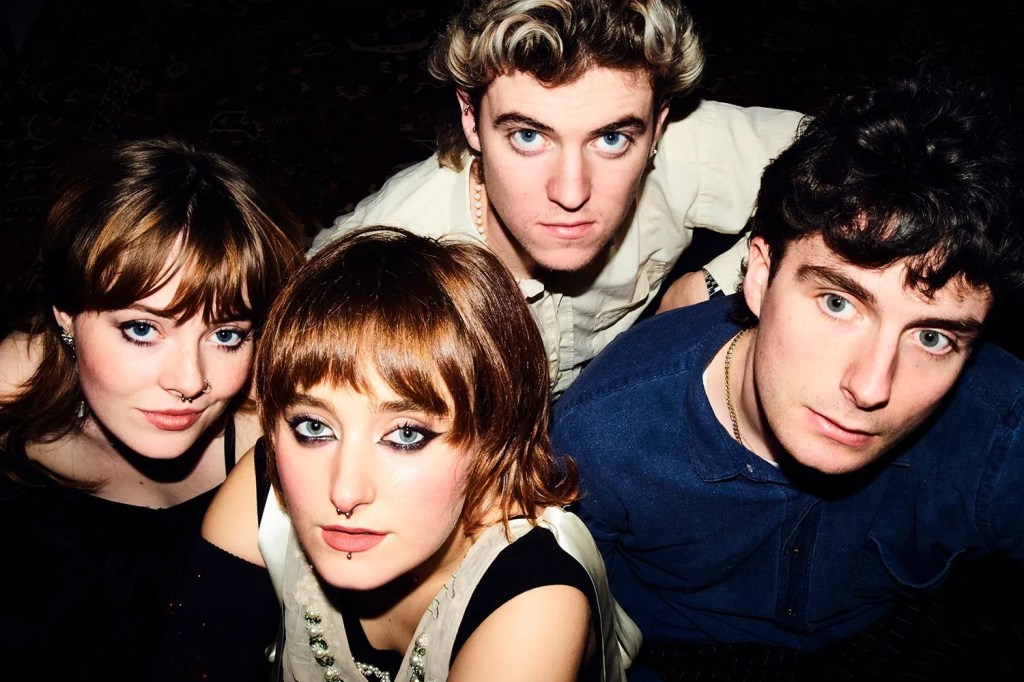
When I first stumbled upon NewDad through recommendations based on listening habits via genre splits on Apple Music, I was with it; I quickly delved into their two EPs, and I found myself enamored by the cadence of the lead vocalist, Julie Dawson, who brings these melodies that feel like homages to the shoegaze and indie rock of yesterday, though more modern, which can be expected. Her vocals shine on NewDads’ debut album, Madra, a more tender, personalized focus on who we are instead of a more personal journal entry we can relate to, giving it an instant identity. As the band would tell The Fader, “Madra explores various difficult parts of the human condition and the idea of the title is that these feelings that come up are sometimes ones you can’t escape…We hope that people connect with the songs and that Madra can be a comfort to everyone who listens,”—Madra beautifully explores that idea, making the journey you take with them rewarding as their originality latches to a mount optioned with safe instrumentations, making the overall delivery with some songs disappointing, comparatively, but it remains a solid debut.
Though Madra left me wanting a little more, it’s hard to fault it, considering it has an identity on what it wants to say lyrically and instrumentally. Though the instrumentals can sometimes stay steady without expanding much, it shows room for growth that can leave anyone optimistic. It can make some moments feel slightly weak as Julie Dawson’s steady perspective running the hamster wheel doesn’t all get elevated from it, making some songs forgettable. Dawson’s vocals and it’s lyrics bring something thoughtful and insightful, giving the songs unique imagery, like “Nosebleed,” which uses the nerves that cause them to be an adamant component that shows the toxicity of the relationship, or “Sickly Sweet,” where the focus is on repetition, and how unhealthy patterns can be formidable to get through, almost like a sickness. As the band explores these ideas, you get an understanding of their delivery, especially when the first few tracks come ferociously before tempering and balancing between the two. It makes the lesser productions feel like they slightly waste the writing, but even so, they aren’t offensively flawed and more so leaning in the middle of interest.
Opening with “Angel,” NewDad doesn’t tiptoe around the avenues they want to reflect on, with the lyrics talking about self-harm, change, and self-worth, further bringing this enigmatic presence that brings an understanding of being and living instead of flaunting typicality, which would be making songs more centric the personal without much of the interpersonal. “Angel” speaks more about the kinship between two people who feel turbulence due to bad mental health on one side of the party, and its nuanced vagueness lets the listener adapt to it more seamlessly. Immediately, you continue to get some great stuff, but it begins to dilute itself by never taking that extra step on the songs like “Dream of Me” and “Change My Mind,” making the whole tread seem flat. Most of the album after the first three tracks are comparatively lukewarm in this regard, as NewDad isn’t doing anything new; however, the individualized talents that radiate through are still keen, like the Bass play by Cara Joshi on “Sicky Sweet,” Julie Dawson’s rhythmic strums and vocal cadence on “Nosebleed,” and the vivacious guitar and drumming on “Where I Go.”
Overall, Madra is this steady progression with a beautiful balance within the driven paths by the instruments naturally blending to keep the tonal motions from being too monotonous—the more raucous moments elevate the sentiments of the lyrics and vocal performances like “Sickly Sweet” and “Nosebleed,” where the lead guitar and percussion work are modestly louder and more pronounced, making these bops deliver the need for a stage as they will also hit live. It’s one benefiting parallel that gives the album a sense of whimsy, especially for those who love and have a fascination for the genre; for new fans, their sound isn’t complicated and a steady flow that functions like a meditation, where the textures are more calculated and allow for the spectrum of emotions from their perspectives. It’s a little more rugged in the beginning, giving us more direct and functional production that does its job to deliver what Julie Dawson wants to say.
Unfortunately, being efficacious doesn’t always make it great, as some of its safer choices, like in “In My Head,” where the guitar and percussion don’t have much character, lacking the kind of creativity akin to the similarly enigmatic “Sickly Sweet;” it’s captivating verse to chorus transition, where it’s emotionally contained, despite the range. Or “Dream of Me,” where the steady production stales and without the vocal performance, it would become more forgettable. With these variations in quality, tracks become more take it or leave it, and all I can offer are my thoughts on the final product; maybe you hear what I do, but even through the weaker moments, the positives do outweigh the negatives, and it delivers something steady to build upon for the future.
So sure, I was left wanting more, and it may lack that final oomph to take it over the top as you wish it did more with the pedals and other modifiers or incorporated different percussion than the snares—its bass grooves and vocals remain at a high that makes it an album worth checking out. As I leave you with these final thoughts, I encourage you to play that album and feel the glee that arrives with discovering something new. Newdad made me a major fan, and I’m left excited for their future releases as there is only one way, and that is up!


Leave a Reply